Frig Collection

Academic Expeditions

Türkiye as a field of study.

FRIG designs and operates academic programmes across Türkiye for universities, museums, alumni groups and learned societies. Each one is built around a period, a discipline or a line of enquiry, and delivered on the ground by one local team.

Discuss a programme →

Göbeklitepe, Şanlıurfa

The approach

Scholarship first, with every logistical detail handled.

Subject led

Each programme starts from a question, a period or a discipline. Sites, collections and landscapes are chosen because they help answer it.

Evidence first

Visits focus on what the material actually shows. Where interpretations compete, groups hear the competing arguments and the evidence behind them.

On the ground

One licensed guide travels with the group throughout. Locally engaged specialists join at selected sites, confirmed for each departure.

Inaugural programme

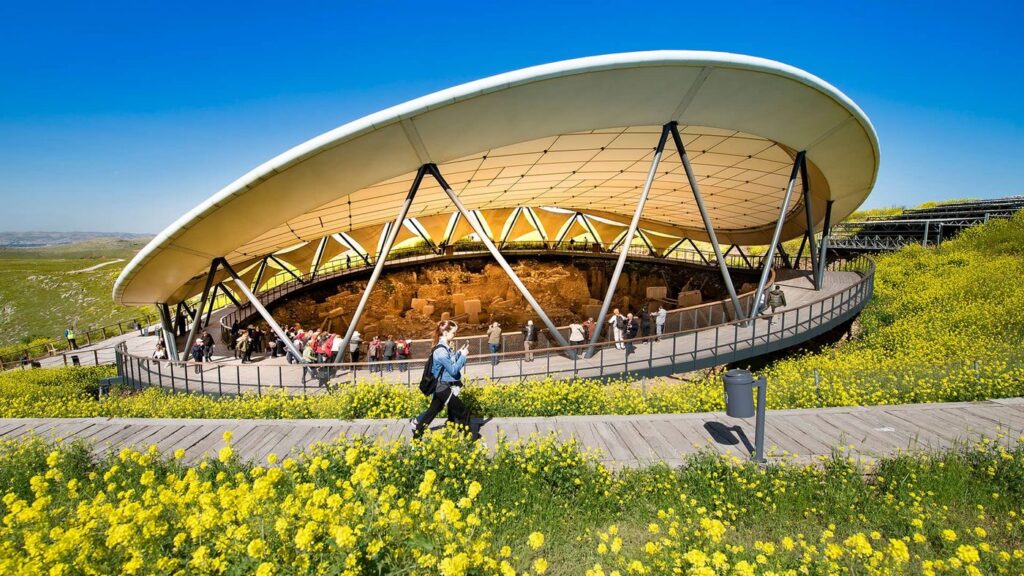
The protective roof over the main enclosures at Göbeklitepe, with yellow wildflowers in the foreground

Göbeklitepe, protective shelter

First Steps of Civilization

A 10-day archaeological journey through Neolithic Anatolia

From the carved pillars of Göbeklitepe to the clustered houses of Çatalhöyük, the programme follows the evidence for the gradual move toward settled life, comparing five research sites and two archaeology museums on the ground.

Days

Ten

Nights

Nine

Sites

Five

Group

14 to 50

Request the full programme →

The detailed day-by-day programme is shared with institutions on request.

Five research sites · Şanlıurfa 4 nights · Cappadocia 3 · Konya 2

Göbeklitepe

Monumental enclosures and carved pillars

Çayönü Tepesi

A long building sequence and early copper

Aşıklı Höyük

Early village life on the Cappadocian plateau

Boncuklu Höyük

Wetland foragers and the first crops

Çatalhöyük

Dense households and wall paintings

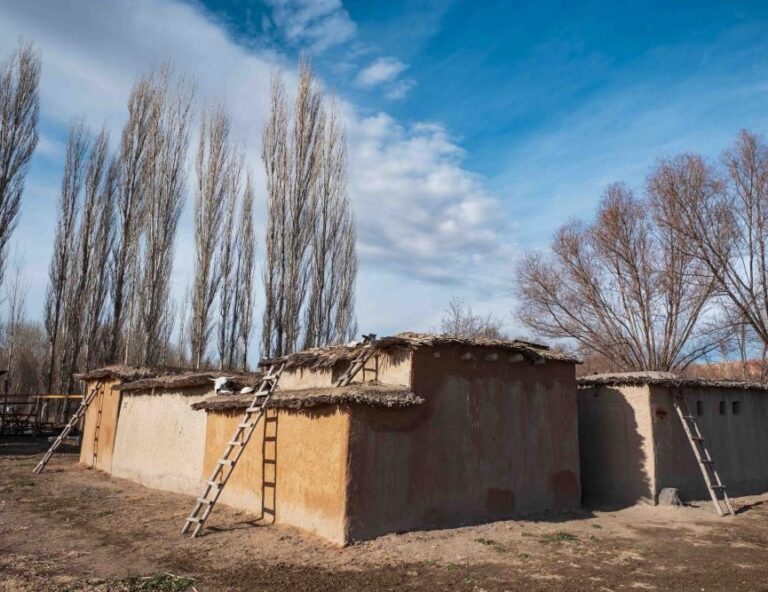
Experimental mudbrick houses beside the mound at Aşıklı Höyük
Aşıklı Höyük, Aksaray
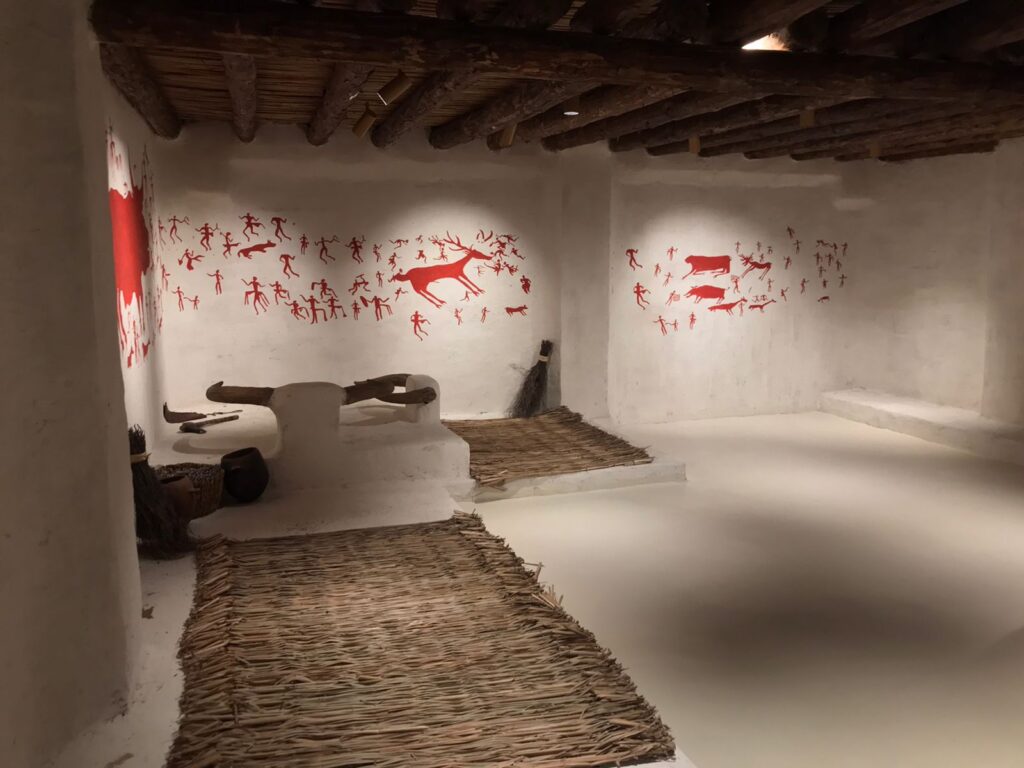
Reconstructed Çatalhöyük house interior with red wall paintings
Çatalhöyük, house reconstruction
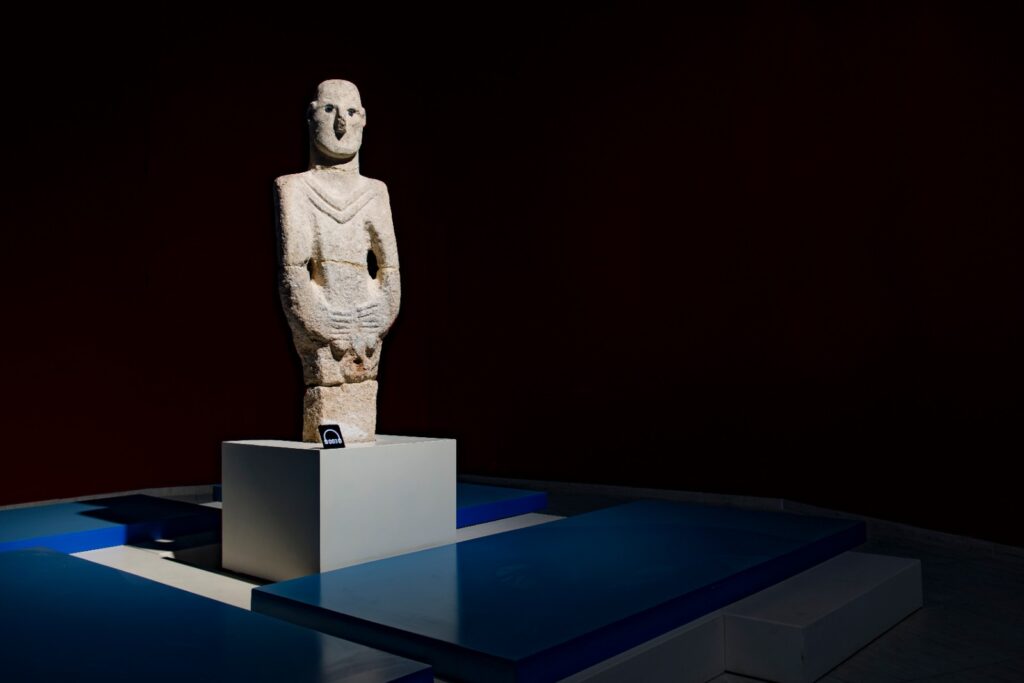
The Urfa Man statue on display at the Şanlıurfa Archaeology Museum
Urfa Man, Şanlıurfa Archaeology Museum

The Academic Collection

Explore the Academic Collection

Anatolia holds one of the longest continuous records of human settlement. Beyond our inaugural programme, the collection follows that record from the first villages to the twentieth century. Each journey is built around one period and a small set of sites that explain it well.

AE0110
From Villages to Early Cities
Chalcolithic and Early Bronze Age
How farming villages grew into walled towns and the first urban centres.
AE0120
Assyrian Merchants & The Arrival of Writing
Middle Bronze Age
Kültepe Kanesh and the trading archives that brought writing to Anatolia.
AE0130
Hittite Kingdom & Empire
Late Bronze Age
Hattusa, Yazılıkaya and the rise of an Anatolian great power.
AE0150
Phrygian Kingdom & Sacred Landscapes
Iron Age
Gordion and the rock-cut monuments of the Phrygian Highlands.
AE0180
Ionian Cities & Early Greek Thought
Archaic and Classical
Miletus, Priene and the coast where natural philosophy began.
AE0200
Kingdoms of Hellenistic Anatolia
Hellenistic
Pergamon and the courts that followed Alexander.
AE0210
Roman Cities of Western Anatolia
Roman
Ephesus, Aphrodisias and urban life in the province of Asia.
AE0230
Constantinople & Christian Empire
Late Antique and Byzantine
Hagia Sophia, the Land Walls and an imperial capital.
AE0240
Byzantine Cappadocia: Monasteries & Landscapes
Middle Byzantine
Rock-cut churches, painted chapels and monastic valleys.
AE0260
Anatolian Seljuks: Cities, Science & Trade
Seljuk
Madrasas, hospitals and caravanserais along the medieval trade routes.
AE0280
Origins of the Ottoman State
Early Ottoman
Söğüt, Bursa and İznik, the first Ottoman centres.
AE0330
Gallipoli & the Ottoman Empire in WWI
Twentieth century
The 1915 campaign, its battlefields and memorials.
A selection from the collection. Each programme is prepared for the group that requests it. Itineraries, departure dates, accommodation, pricing and specialist arrangements are proposed to each institution in its own programme proposal. Further programmes are available on request.

Fields of study

Where a programme can begin.

Archaeology and PrehistoryThe Neolithic of Anatolia, from monumental gathering places to early villages.First Steps of Civilization →
Ancient HistoryProgrammes built around Anatolia's ancient states, cities and trade.On request
Religious StudiesSacred sites and traditions across many periods, studied in their historical setting.On request
Maritime HistoryHarbours, sea routes and coastal settlement on the Aegean and Mediterranean.On request
Conflict and MemoryBattlefields, commemoration and the ways places remember.On request

How we work

  1. 01

    Tell us about your group

    Institution, approximate numbers, preferred season and the academic focus.

  2. 02

    We propose a programme

    Dates, hotels, specialist sessions, inclusions and pricing, prepared for your group.

  3. 03

    You review and confirm

    We refine the route and the academic sessions with your faculty lead.

  4. 04

    We operate it on the ground

    From arrival to the final flight, one local team coordinates the whole programme.

Planning

Works with
Universities, museums, alumni groups and learned societies
Academic model
One licensed guide throughout; local specialists at selected sites
Group size
14 to 50 people on the inaugural programme
Dates and pricing
Prepared for each group on enquiry

For institutions seeking serious engagement with Türkiye's material past.

Begin a conversation →

or write to expeditions@frig.co